Naoshima Meeting
2025
From Bringing to Venice What
Marco Polo Forgot to the
Naoshima New Museum of Art:
The Trajectory with Asian
Contemporary Art 1995–2025
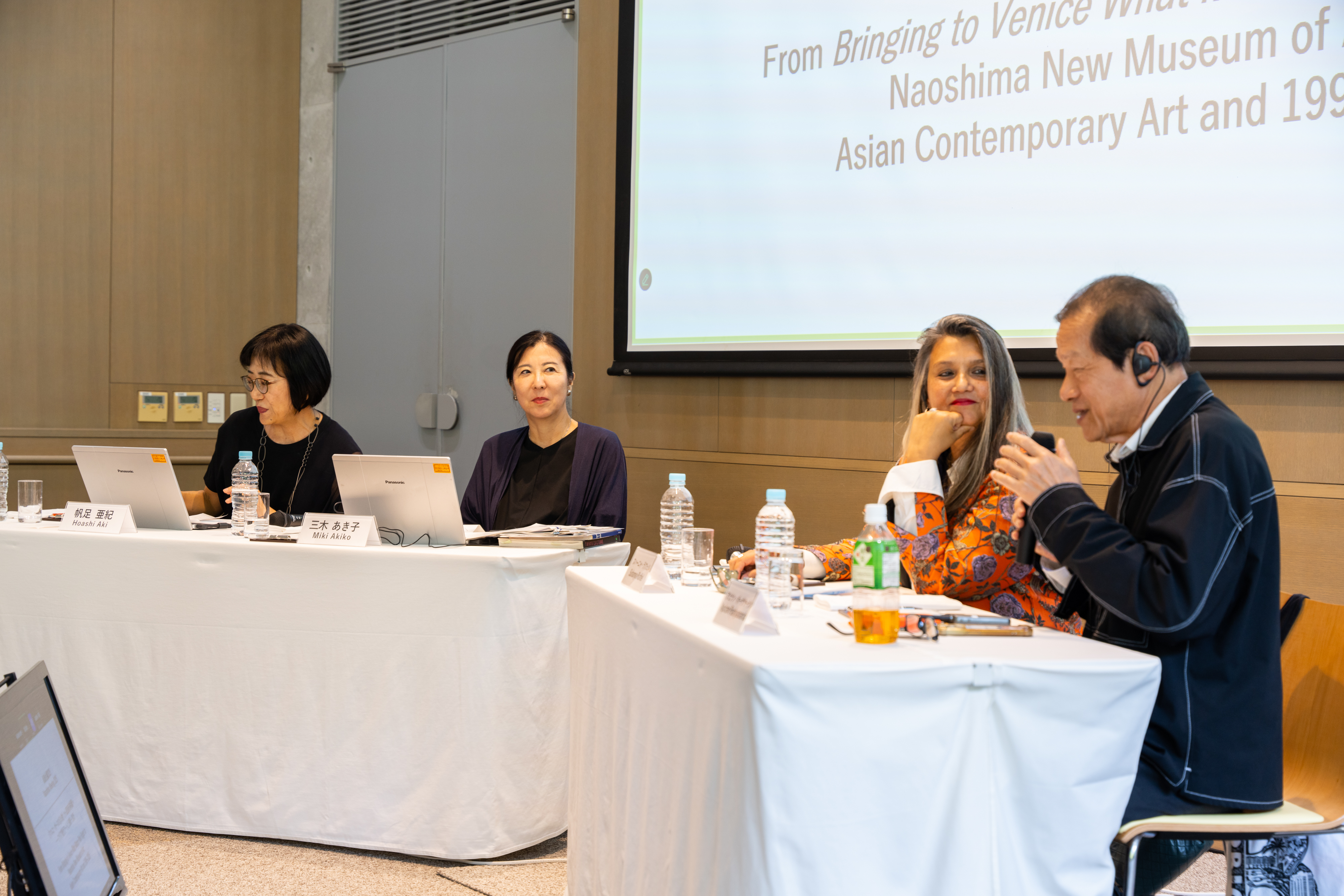
When Benesse changed its company name 30 years ago in 1995, it held an exhibition at the Venice Biennale, which is the world's foremost contemporary art festival, to globally promote its new name and its art activities on the remote islands (note: the "TransCulture" exhibition was co-organized by the Japan Foundation and the Fukutake Science and Culture Foundation). Artist Cai Guo-Qiang created Bringing to Venice What Marco Polo Forgot for this exhibition as a project to deliver to Venice what Marco Polo, who had introduced many cultural assets to the West, did not take back with him, such as the Eastern cosmology and life philosophies that represents the order of the heavens and humanity. This work won the first Benesse Prize that was established together with the exhibition. The artist has also been presenting a large-scale installation at the newly opened Naoshima New Museum of Art since May, 2025.
In the celebration of the exhibition at the Naoshima New Museum of Art, we welcomed experts who have been deeply involved in developing the contemporary art scene in Asia since then. The "TransCulture" exhibition and Guo-Qiang's work, which was the starting point for the Naoshima Meeting, marked the origin of Benesse Art Site Naoshima's vision of "sending messages to the world from the remote islands." They also symbolized the rise of Asian and non-Western art in the contemporary art scene, which had been dominated by a Western-centric canon. The speakers reflected on the transformations of the art scenes through their respective experiences, and also applied their international viewpoints to explore the background to the establishment of the Naoshima New Museum of Art as well as its future potential.
Naoshima Meeting
2025
From Bringing to Venice What
Marco Polo Forgot to the
Naoshima New Museum of Art:
The Trajectory with Asian
Contemporary Art 1995–2025
When Benesse changed its company name 30 years ago in 1995, it held an exhibition at the Venice Biennale, which is the world's foremost contemporary art festival, to globally promote its new name and its art activities on the remote islands (note: the "TransCulture" exhibition was co-organized by the Japan Foundation and the Fukutake Science and Culture Foundation). Artist Cai Guo-Qiang created Bringing to Venice What Marco Polo Forgot for this exhibition as a project to deliver to Venice what Marco Polo, who had introduced many cultural assets to the West, did not take back with him, such as the Eastern cosmology and life philosophies that represents the order of the heavens and humanity. This work won the first Benesse Prize that was established together with the exhibition. The artist has also been presenting a large-scale installation at the newly opened Naoshima New Museum of Art since May, 2025.
In the celebration of the exhibition at the Naoshima New Museum of Art, we welcomed experts who have been deeply involved in developing the contemporary art scene in Asia since then. The "TransCulture" exhibition and Guo-Qiang's work, which was the starting point for the Naoshima Meeting, marked the origin of Benesse Art Site Naoshima's vision of "sending messages to the world from the remote islands." They also symbolized the rise of Asian and non-Western art in the contemporary art scene, which had been dominated by a Western-centric canon. The speakers reflected on the transformations of the art scenes through their respective experiences, and also applied their international viewpoints to explore the background to the establishment of the Naoshima New Museum of Art as well as its future potential.
-
1. Introduction 1 by Miki Akiko
Introduction 1 by Miki Akiko
Miki Akiko:
I am Miki Akiko, Director of the Naoshima New Museum of Art. Opened in May 2025, we are not merely a new museum built on Naoshima. Under the theme of "the integration of art, architecture, nature, and community," we aim to represent a further stage in the development of the constellation of museums and art facilities that make up Benesse Art Site Naoshima across three islandsーNaoshima, Teshima, and Inujimaーwhich serve as the core bases of its activities. While the Benesse House Museum and the Chichu Art Museum tend to focus primarily on works from Europe and the United States, the Naoshima New Museum of Art centers on Asian contemporary art. We believe that as a result, across the museum constellation as a whole at Benesse Art Site Naoshima, the distinctive characteristics of each museum will become clearer, allowing visitors to encounter a greater diversity of artistic expression.
In addition, Benesse Art Site Naoshima has mainly focused on permanent installations. At the Naoshima New Museum of Art, however, we plan to gradually change exhibitions and to host public programs such as workshops and talks, with the aim of making this place a site for encounters and exchange among people. From this perspective, we have decided to revive the "Naoshima Meeting," a symposium held from 1992 to 2004 that fostered discussion on the relationships between art, architecture, and society, to coincide with the opening of this museum.
The theme of this first revived meeting is "From Bringing to Venice What Marco Polo Forgot to the Naoshima New Museum of Art: Asian Contemporary Art, 1995-2025." Bringing to Venice What Marco Polo Forgot was a work created by Cai Guo-Qiangーwhose work is also on display at the Naoshima New Museum of Artーfor the TransCulture exhibition held at the Venice Biennale in 1995 under the auspices of Benesse, where it received the inaugural Benesse Prize. The TransCulture exhibition is regarded as a symbolic moment in the international art world, marking the rise of art from non-Western regions such as Asia.
At the time, Naoshima was an island little known to most people, but driven by Honorary Chairman Soichiro Fukutake's determination to send a message from a remote island to the world through art, the decision was made to stage the exhibition at the Venice Biennale, the very center of the global contemporary art world. Now, thirty years later, after an era when the very act of exhibiting Asian works in a Western, Euro-American-centered art venue like Venice was still rare, once obscure Naoshima has become a place that draws people from around the world. Over these same thirty years, the Asian contemporary art scene itself has undergone profound change. Many Asian countries have experienced economic growth; museums have been established; and biennales are now held across Asia. Taking this history into account, and to mark the opening of the Naoshima New Museum of Art, today we have invited two guests who have been involved in the development of Asian contemporary art since that time.
Today's speakers are Apinan Poshyananda and Suhanya Raffel, currently based in Bangkok and Hong Kong, places that may be described as having experienced particularly significant change over the past thirty years. Today, we hope to discuss and share, from each of their respective perspectives, how the circumstances surrounding Asian contemporary art have evolved over these three decades.
Apinan Poshyananda serves as Chief Executive Officer and Artistic Director of the Bangkok Art Biennale. He is one of Thailand's pioneering video artists, has taught at Chulalongkorn University, curated exhibitions at the university gallery, and in the 1990s organized numerous exhibitions on Asia at the Asia Society in New York. He later established a contemporary art division within Thailand's Ministry of Culture and went on to play a leading role in the establishment of the Bangkok Art Biennale, founded under the patronage of Thapana Sirivadhanabhakdi as a private initiative. In that sense, he is someone who has helped build the foundations of Thailand's contemporary art scene.
Suhanya Raffel is the Director of M+ in Hong Kong. After working at the Queensland Art Gallery, which runs the Asia Pacific Triennial in Australia, she served as Deputy Director of the Art Gallery of New South Wales in Sydney, before becoming Director of M+. In the 1990s, both Australia and Japan were actively engaged in contributing to the development of Asian contemporary art, and Suhanya was at the very center of those efforts.
Hoashi Aki, who will serve as moderator for the discussion, is currently Manager of the International Division and Curatorial Department at the Yokohama Museum of Art, as well as Deputy Executive Director of the Yokohama Triennale Organizing Committee. Ms. Hoashi has also been involved with Asian contemporary art for many years. In the 1990s, the Japan Foundation operated the ASEAN Culture Center and the Asia Center, and Ms. Hoashi was involved in those initiatives as well. In that sense, the four of us share the common experience of having each been engaged, in our own ways, since the formative years of Asian contemporary art in the 1990s.
The TransCulture exhibition I mentioned at the outset was curated by Fumio Nanjo, Dana Friis-Hansen, and myself, and was organized in collaboration with the Japan Foundation under the auspices of Benesse Corporation. The Benesse Prize was established in conjunction with this exhibition, and its first recipient was Cai Guo-Qiang. The TransCulture exhibition took place in a period following the collapse of the Cold War order, when cultural pluralism was coming to the fore, and focused on communication among people with different cultures and identities, grounded in the premise of cultural diversity. The Benesse Prize, which had been awarded at the Venice Biennale, was transferred to the Singapore Biennale in 2016, and this shift in awareness toward Asia has also led to the opening of the Naoshima New Museum of Art.
Speaker Profiles
Apinan Poshyananda
(Chief Executive and Artistic Director, Bangkok Art Biennale)
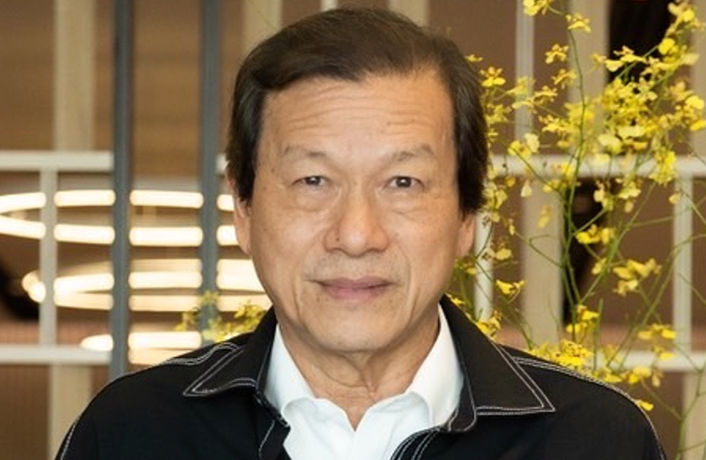
Apinan Poshyananda
(Chief Executive and Artistic Director, Bangkok Art Biennale)
Poshyananda was Director-General, the Office of Contemporary Art and Culture, Director-General, the Cultural Promotion Department and Permanent Secretary, Ministry of Culture, Thailand. He initiated the Silpathorn Art Award and Art fund for Thai artists. He commissioned the Thai Pavilion at the Venice Biennale (2003, 2005, 2007) and curated international exhibitions, including Asia-Pacific Triennial of Contemporary Art, Brisbane (Thai section, 1993, and Australian section, 1996); guest curator, "Heri Dono" (Japan Foundation, Tokyo, 2000); "Show Me Thai" (MOT, 2009); Bangkok Art Biennale (2018, 2020, 2022, 2024, 2026); "The Spirits of Maritime Crossing" at Venice Biennale (2024,2026).
Suhanya Raffel
(Museum Director, M+)
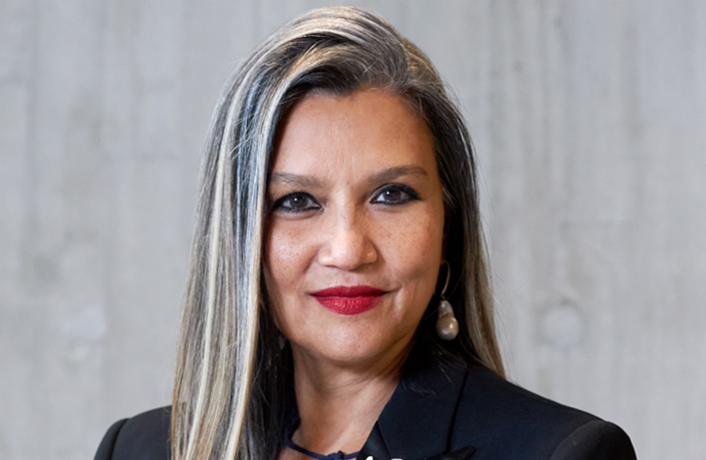
Suhanya Raffel
(Museum Director, M+)
Suhanya Raffel is the Museum Director of M+ in Hong Kong's West Kowloon Cultural District. Since her appointment in 2016, she has overseen all museum activities at M+, including acquisitions, programming, collections care, development, research, institutional collaborations, and museum operations. She was instrumental in building the contemporary Asia Pacific collection and led its Asia Pacific Triennial of Contemporary Art. Raffel is the President of CIMAM, the International Committee for Museums and Collections of Modern Art (2023-2025), and she has served on the CIMAM Board since 2016.
Miki Akiko
(Director, Naoshima New Museum of Art / International Artistic Director, Benesse Art Site Naoshima)
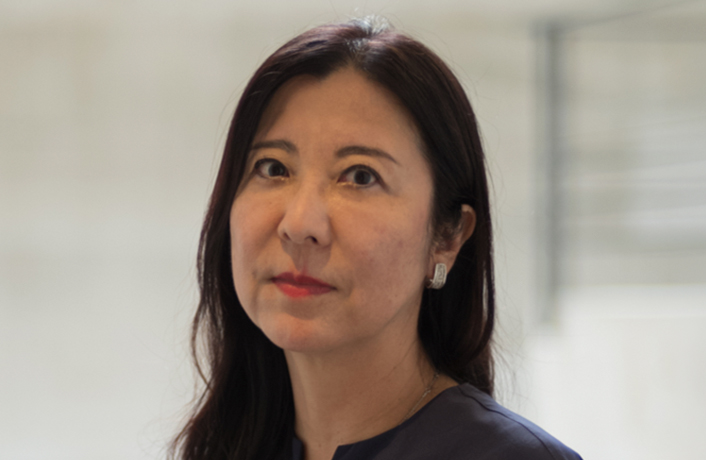
Miki Akiko
(Director, Naoshima New Museum of Art / International Artistic Director, Benesse Art Site Naoshima)
Chief and Senior Curator, Palais de Tokyo (Paris, 2000-2014); Artistic Director (2011) and Co-Director (2017) of the Yokohama Triennale; and more. Engaged in planning international exhibitions for the Taipei Biennial (1998) and Bangkok Art Biennale (2024) as well as for key museums around the world including the Barbican Art Gallery (London), Taipei Fine Art Museum, National Museum of Contemporary Art (Seoul), Mori Art Museum (Tokyo), Yokohama Museum of Art, and Kyoto City KYOCERA Museum of Art (Kyoto).
Moderator
Hoashi Aki
(Manager, International Div. & Curatorial Dept., Yokohama Museum of Art / Deputy Executive Director, Yokohama Triennale Organizing Committee)
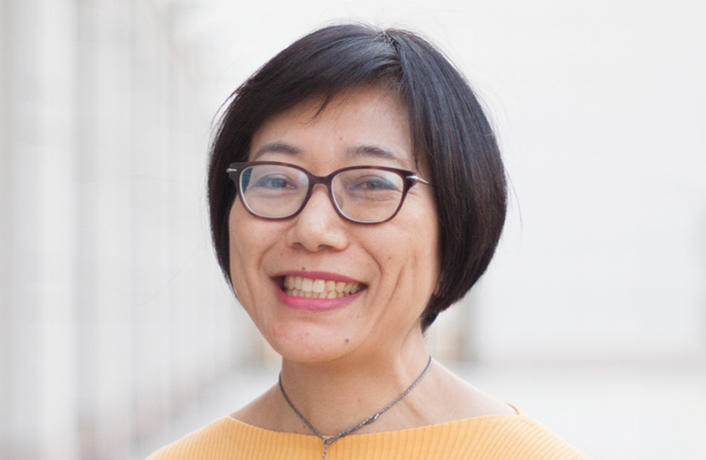
Moderator
Hoashi Aki
(Manager, International Div. & Curatorial Dept., Yokohama Museum of Art / Deputy Executive Director, Yokohama Triennale Organizing Committee)
After obtaining a master's degree from City University (London) in Museum and Gallery Administration, she worked as a freelance coordinator from 1996 for the Japan Foundation's art exchange program in Asia (-2010) and administered the Artist in Residence program in Ibaraki Prefecture (2003-2007). Joined the Yokohama Triennale Organizing Committee in 2010 and has been engaged in the Yokohama Triennale since its 4th exhibition in 2011. Has been affiliated with the Yokohama Museum of Art since 2016.