


About the Islands
Click here for official Instagram
Naoshima
-
01Characteristics of Naoshima
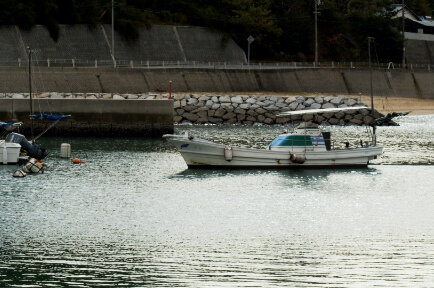 The island of Naoshima, located about 3km south of the city of Tamano in Okayama Prefecture, and its surrounding islands constitute the town of Naoshima in Kagawa Prefecture.
The copper smelting industry, which has been active since the Taisho era, and aquaculture focused on yellowtail and seaweed are the main industries here. -
02Life on Naoshima
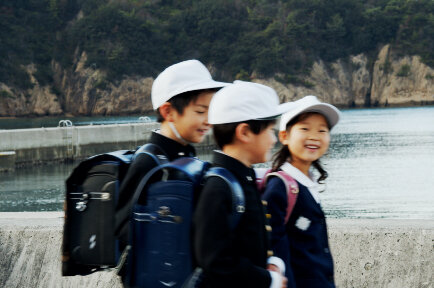 About 3,100 residents live in the island's three villages: Miyanoura, where ferries arrive and depart; Hommura, modeled on seaside castle towns of the Warring States period; and Tsumuura, a fishing port from long ago.
 -
03The Nature of Naoshima
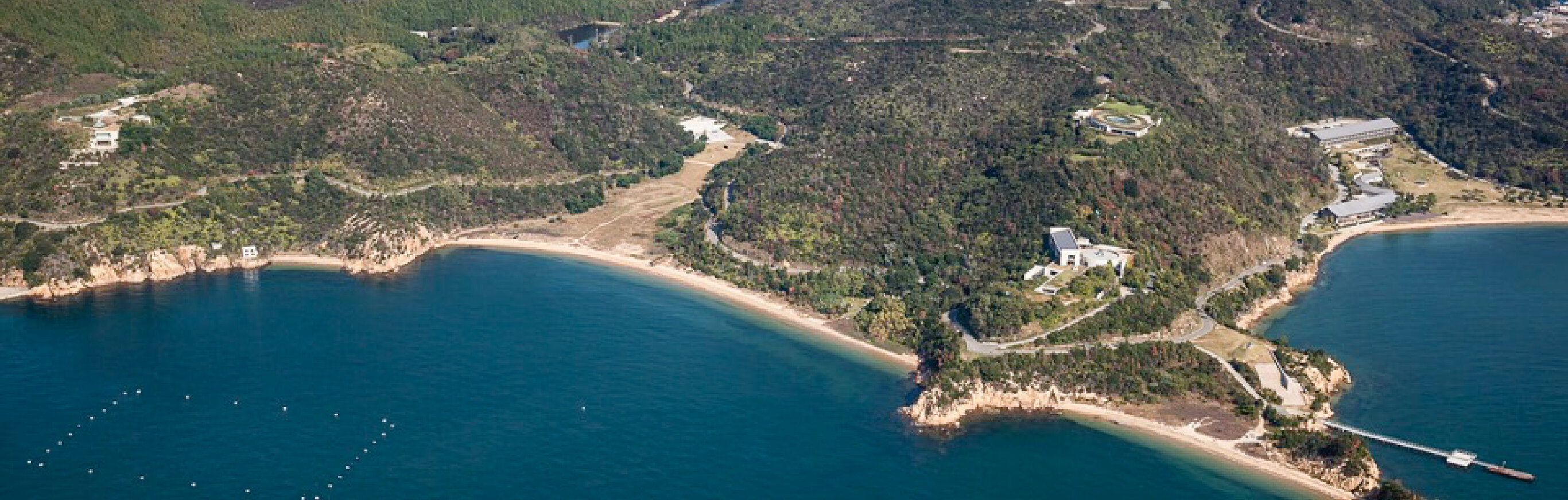
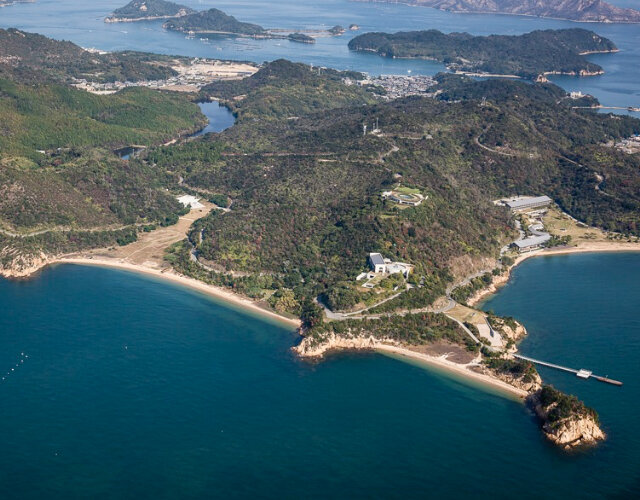
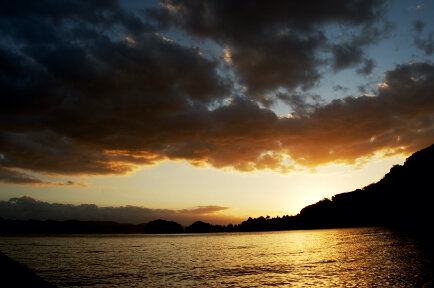 Naoshima is a hilly island covered by granite and weathered soil.
The natural beauty of white sand and blue pines unique to the inland sea has been shaped by a coastline with few flatlands and many bends.
The southern part of the island is contained within Setonaikai National Park and retains its beautiful nature. -
04The History of Naoshima
 During the Edo period, Naoshima occupied a strategic point for maritime transport within the Seto Inland Sea as a demesne of the Shogunate, and prospered under the shipping and salt industries.
Copper smelting is carried out on the north side of the island, which together with related businesses in the surrounding region creates a large-scale industrial area. -
05Activities on Naoshima
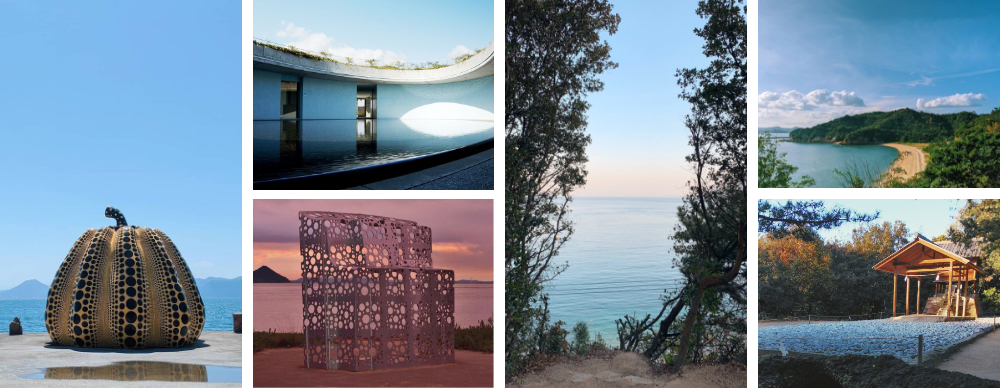
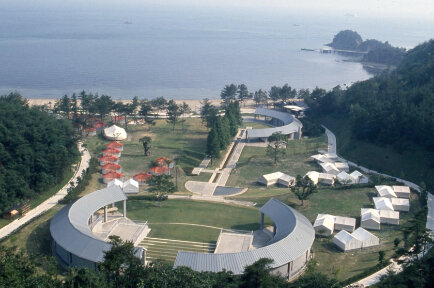
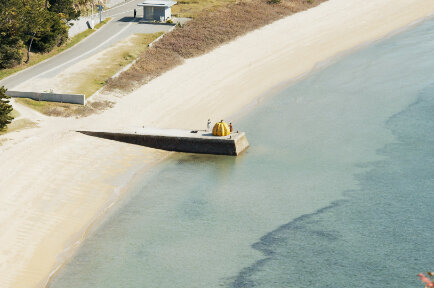 The activities of Benesse Art Site Naoshima begin with the Naoshima International Campsite, which opened in 1989. Since the opening of Benesse House in 1992, the organization has melded art with the landscape of Naoshima for many years.